Cookies settings

We use cookies on our website.

Some of them are necessary for the functioning of the site, but you can decide about others.

Managing cookies

We use cookies on our website.

Some of them are necessary for the functioning of the site, but you can decide about others.

Functional cookies help the website to function properly.

Anonymous statistical cookies help us understand how visitors use the website.

We use marketing cookies to serve you relevant ads based on your social media interests and browsing history.

Experience is the best teacher. But also the most expensive one.

Zbyněk
Bezchleba
24.3.2026

“Most of what you learn comes from real projects,” as the saying goes.
“But sometimes the hard way and under a lot of pressure,” I would add.


And honestly, there is no real system in it. You go for the quickest solution, the path of least resistance. Because there is no time to waste and the customer is pushing. And some things are simply not appropriate.

For example, when someone tries to verify whether a robot really stops from full speed when it hits an obstacle directly on a live application.

So what can we do about it?
The best option is to create a space where this can be tested without pressure, without risk, and where it is always available.


How did we solve it?

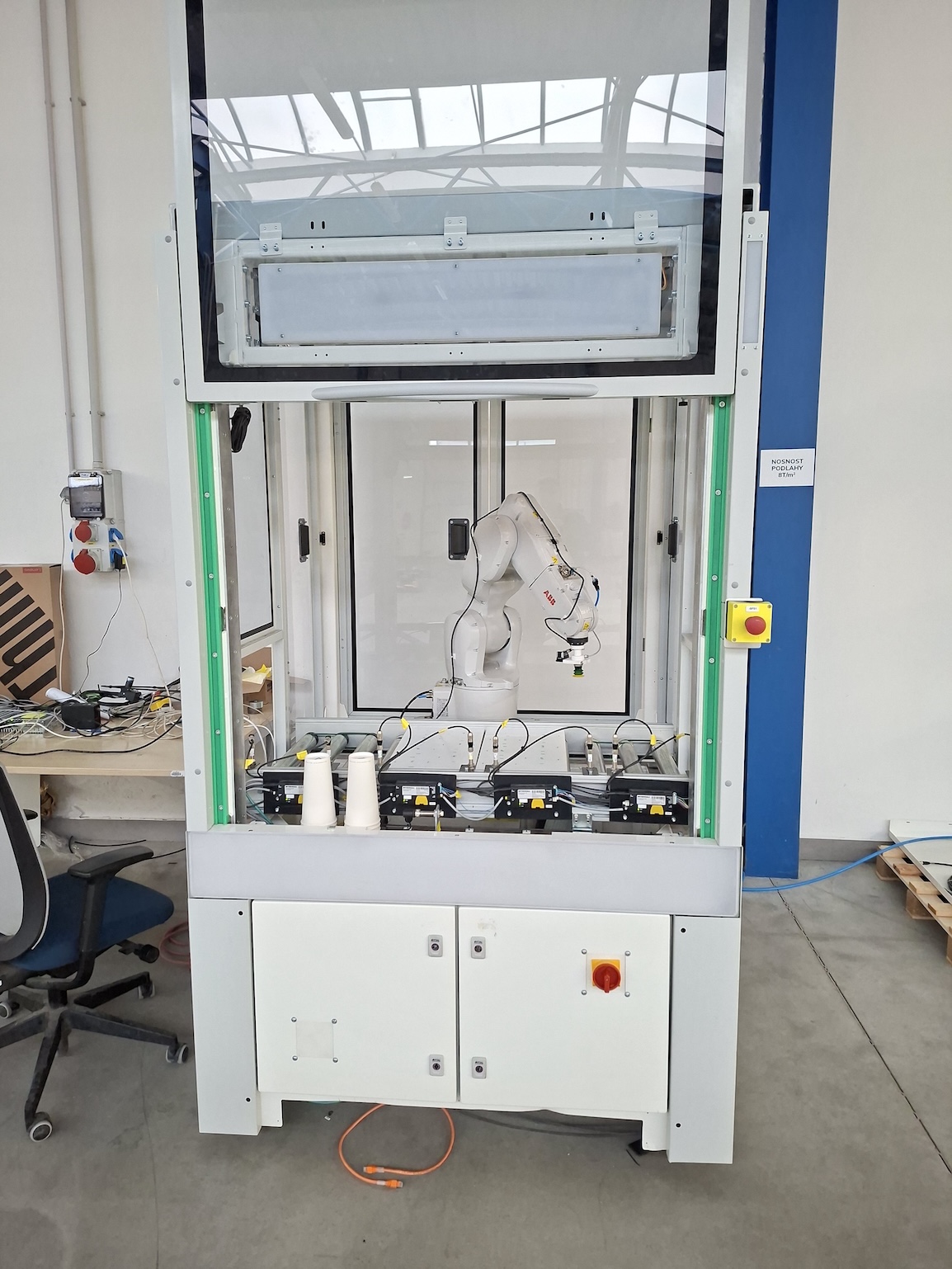
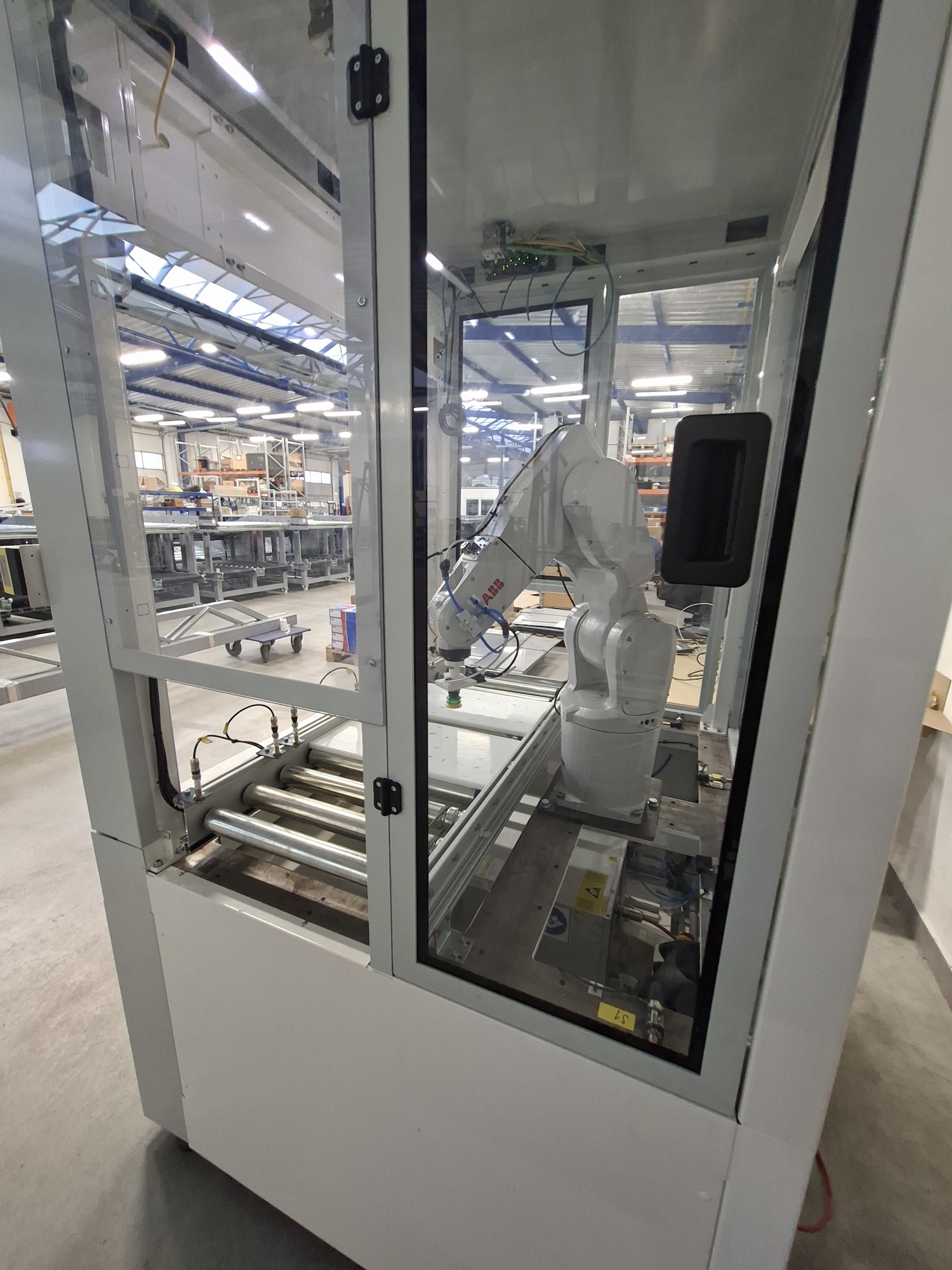
We went through our storage, contacted suppliers, and eventually built our own test cell.

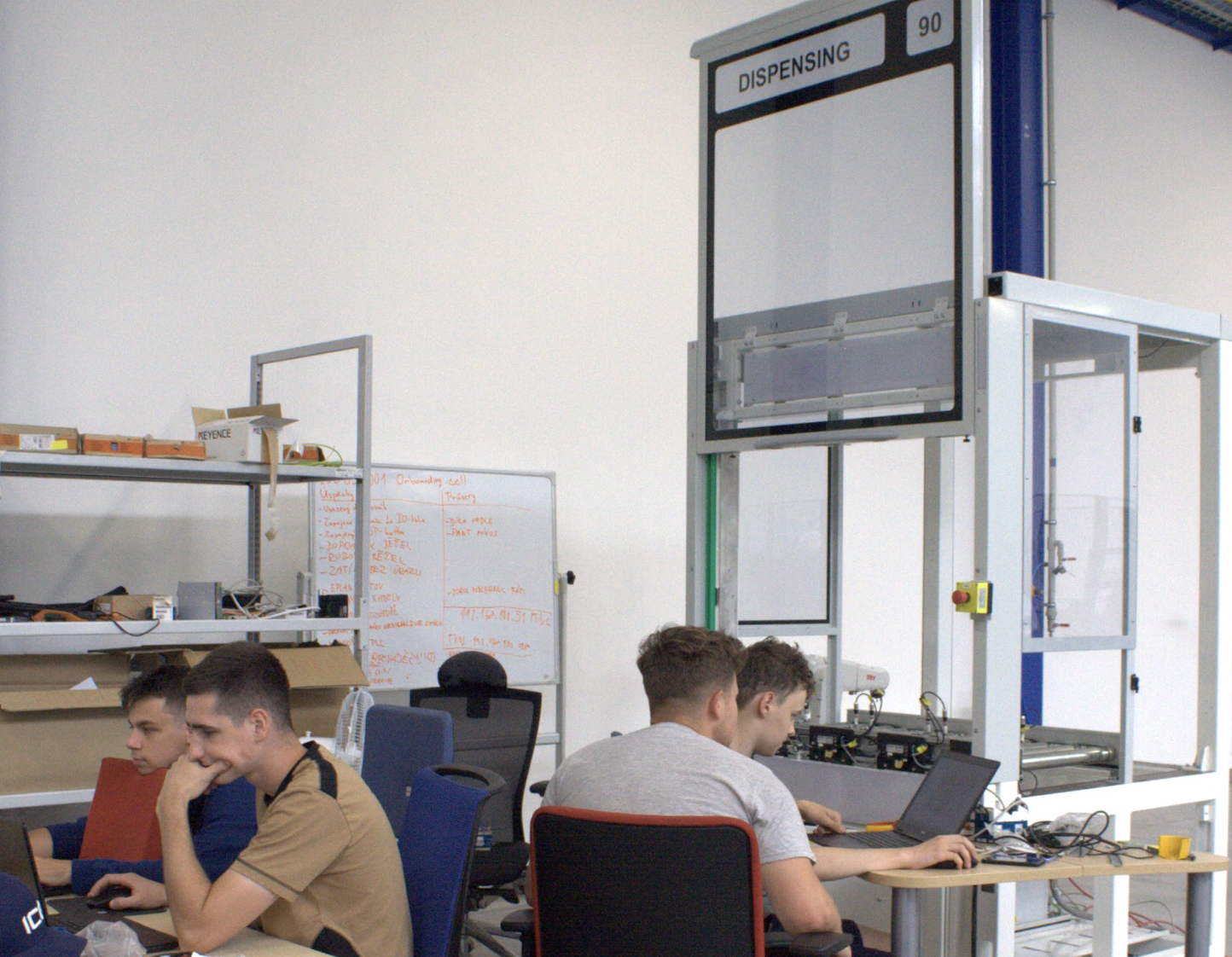
All teams were involved in its preparation, and we also brought in enthusiastic students. They went through everything from design and assembly to programming and commissioning. A complete project from start to finish. And that was a big benefit. The cell was already serving its purpose from the very beginning.

We see the cell as a kind of technical “tasting menu” from PLC, HMI, and robotics to vision systems. Every technical enthusiast will find something here. It’s a space to try things, make mistakes – but safely.


What can the cell help with?

  • Want to test material handling? There are four conveyor sections available.
  • Want to test things you didn’t have time for during a project? The cell is there for you.
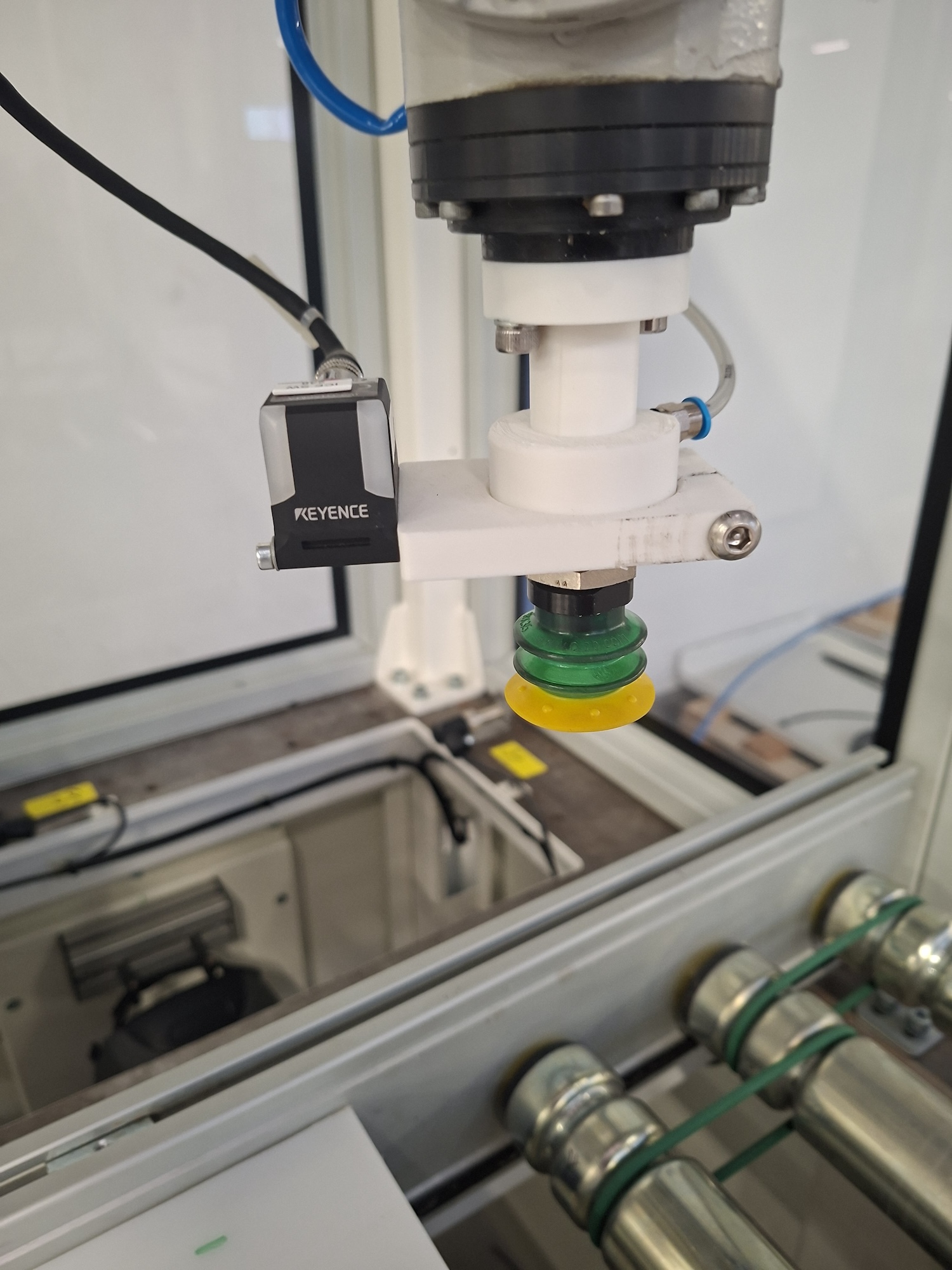
  • And robotics? A robot with a camera on the sixth axis is ready, so even vision specialists can dive in.
  • You’ll also find modern sensors and industrial communication systems that are widely used today - PROFINET, IO-Link.


Examples of how we use the cell

  • Solving a design issue
    We had a problem with a component that was getting stuck after a high number of cycles. How to test a design change? We ran it in the cell.
    The robot performed tens of thousands of cycles and confirmed that the new solution can handle demanding operation. Within 10 days, we had a clear result and could safely deliver the update to the customer.
  • Verifying software standards
    Testing changes to internal software standards directly on a live project? You really don’t want to do that.
    In the cell, everything can be tested in advance, and only verified code goes to the customer.
  • Tuning vision systems
    Adjusting cameras directly at the customer site is expensive and slows everyone down.
    Our specialists fine-tune everything in the cell, without pressure and in a controlled environment. Changes on-site are then minimal.
  • Gaining experience
    When a new robotics engineer needs to test their skills, we don’t send them to simulation only.
    They go to the cell, where everything is real. Not “as if” – real hardware.
    It’s the fastest way to gain hands-on experience without risking damage on a live project.

And I could go on...

The result? An investment that pays back

  • Engineers have a place to solve their questions.
  • Newcomers have “their own” technology and get up to speed faster.

For me, the conclusion is clear: fewer mistakes, better technical solutions, and much higher confidence in our teams.

Yes, it costs money. But it’s an investment that pays back with every delivered project. Because when our people grow, the company grows with them. And that’s exactly what we want.


What’s next?

We already have a plan to use the cell more in our work with students.

We want to expand our robotics course for secondary school students to include PLC and vision systems.
At our summer camp, participants will work with real robots in practice.
And I believe more ideas on how to use the cell will come quickly.

You know how it is - when there’s nothing in front of you, ideas don’t come.
But once something physical exists, ideas start to grow naturally.